Common access problems for Hackney flat rubbish clearance
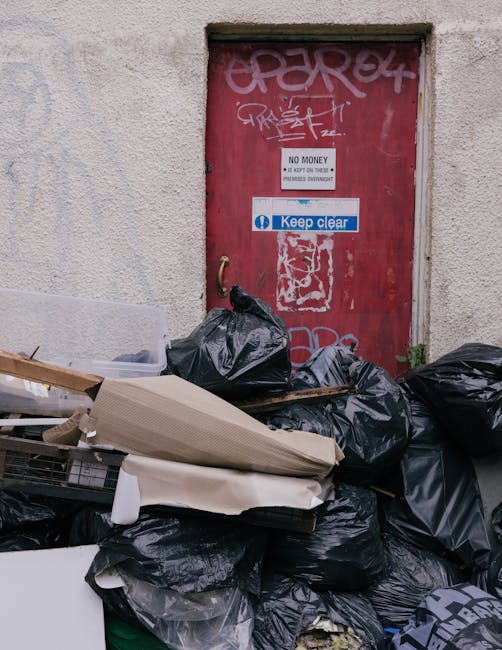
Flat clearance sounds simple enough until you meet the real world: narrow stairwells, awkward parking, tight turnings, shared entrances, missing lifts, and that one bulky sofa that seems to have been built inside the room. If you are dealing with Common access problems for Hackney flat rubbish clearance, you already know the headache is rarely the waste itself. It is getting the waste out safely, quickly, and without annoying neighbours, blocking hallways, or turning a routine job into a minor expedition.
This guide breaks down the access issues people run into most often in Hackney flats, why they matter, and how to plan around them. It also covers practical steps, compliance considerations, and a few sensible ways to reduce delays before the collection team even arrives. Truth be told, a bit of planning saves a lot of lifting later.
Why Common access problems for Hackney flat rubbish clearance Matters
Access problems can turn a straightforward flat clearance into something slower, riskier, and more expensive to carry out. In Hackney, that matters because many flats sit in older converted buildings, mansion blocks, and newer developments with limited loading space, controlled entry systems, and shared common areas. Some properties look easy from the street and then, inside, the stairs narrow sharply or the lift is barely wide enough for a bag of recycling, let alone a wardrobe.
When access is poor, the main risks are delays, damaged walls, strained lifts, upset neighbours, and extra labour. You may also find that a team needs a different vehicle setup, more people on site, or a longer time window than expected. None of this is dramatic on its own, but together it can make a simple rubbish clearance feel oddly complicated.
There is also a trust angle here. Good planning helps separate a professional service from a rushed one. If a company asks the right questions in advance, it is usually a sign they understand the realities of flat clearance rather than just quoting blindly from a postcode. For related services that often involve similar planning, you can also look at flat clearance and home clearance.
Expert summary: Most access problems are manageable if you identify them early. The key is not to assume "it will be fine on the day." In flat rubbish clearance, the building often decides the pace, not the waste.
How Common access problems for Hackney flat rubbish clearance Works
The practical process usually starts with a quick assessment of the route from the flat to the vehicle. That route matters more than people expect. A clearance team needs to think about entry codes, concierge desks, stair width, lift size, corridor bends, parking restrictions, and whether large items can be carried without blocking communal access. If the route is awkward, the job may still be perfectly doable; it just needs better planning.
In many Hackney flats, the access issues fall into a few broad categories:
- Stair access only - no lift, steep stairs, or a tight landing at each turn.
- Lift restrictions - small lifts, weight limits, or lifts that are out of service at the worst possible time.
- Parking and loading problems - bays too far away, permit restrictions, or no easy stopping point near the entrance.
- Entry control issues - door codes, key collection, reception sign-in, or limited time windows for access.
- Shared-space concerns - narrow hallways, residents passing through, or fragile walls and flooring.
For a lot of people, the trickiest bit is simply telling the difference between "a bit awkward" and "needs special handling." A mattress or bagged rubbish is one thing. A broken sofa, bulky wardrobe, or stacked mixed waste is another. If you are also dealing with furniture, the relevant service pages can help set expectations, such as furniture clearance and furniture disposal.
Once the access route is known, a team can decide whether the clearance needs extra manpower, protective covers, smaller loading trips, or a different arrival slot. That is the boring bit, admittedly. But it is where smooth clearances are won.
Key Benefits and Practical Advantages
Planning around access issues is not just about avoiding problems. It has real practical advantages.
- Faster clearance - less time spent guessing where to park or how to carry items through the building.
- Lower risk of damage - fewer bumps on walls, banisters, doors, and floors.
- Less disruption - especially important in shared blocks where neighbours notice every trolley wheel and door slam.
- More accurate pricing - clear access information helps avoid surprise labour delays.
- Better safety - fewer awkward lifts, fewer trip hazards, fewer "we'll just squeeze it through" moments that nobody really enjoys.
There is also a quieter benefit: peace of mind. If you know the route has been considered properly, you can stop worrying about whether the job will descend into chaos at the front door. That reassurance is worth a lot on a busy weekday morning when the hallway is already full of prams, deliveries, and the smell of someone's toasted bagel drifting from next door.
For larger or mixed loads, access planning often pairs well with broader removal services like waste removal or specialist clearance options for outbuildings and storage spaces such as loft clearance.
Who This Is For and When It Makes Sense
This topic matters to anyone arranging rubbish clearance from a flat in Hackney, but especially if the property has one or more of these features:
- no lift or a very small lift
- narrow staircases or split-level layouts
- controlled entry or concierge-only access
- restricted parking nearby
- shared corridors or internal courtyards
- top-floor flats with long carry distances
- large items that need two-person handling
It also makes sense for landlords, estate agents, tenants at the end of a tenancy, family members clearing a relative's home, and anyone dealing with a time-sensitive move. If the flat is already cluttered, access problems become even more noticeable because every extra step takes longer. And yes, that is usually when people realise the old sofa has somehow become part of the architecture.
If the job is part of a larger household clear-out, a broader service such as house clearance may be more suitable. For workspace-related jobs, office clearance or business waste removal may be the better fit. The point is simple: the more access is limited, the more important the right service match becomes.
Step-by-Step Guidance
If you want a clearance day that feels calm instead of frantic, use a structured approach. You do not need a spreadsheet and a clipboard, though fair enough if that is your style. You do need a clear plan.
- Walk the route from flat to vehicle
Check the entrance, hallway, stairs, lift, and nearest parking point. Measure or at least eyeball the awkward bits. If a sofa has to turn twice before reaching the stairwell, that is worth flagging. - List the bulky or fragile items
Note anything heavy, oversized, sharp, glass-fronted, or likely to fall apart when moved. A pile of small bags is very different from a bed frame and wardrobe combination. - Confirm access controls
Get the door code, key arrangement, intercom instructions, or concierge procedure sorted in advance. Nothing slows a job like waiting outside a locked door with a van already running. - Check parking and stopping options
Identify the nearest lawful loading space. In London, parking uncertainty can become the whole story if nobody checks it early enough. - Prepare communal areas
Move shoes, mats, bikes, or other obstacles where possible. If the lift is small, leave space around the doors and keep the route clear. - Protect walls and floors if needed
Cardboard, blankets, or covers can help reduce scuffs on tighter routes. Small effort, big difference. - Allow a realistic time window
Rushing and awkward access are not a charming combination. Give the team enough time to move carefully.
That process sounds plain, but it is the difference between a job that hums along and one that turns into a lot of apologising and shuffling.
Expert Tips for Better Results
In our experience, the best clearances are the ones where the awkward bits are discussed before the van arrives. A few practical habits make a real difference.
- Send photos of the access route - especially staircases, lifts, and entrance points. A quick picture often says more than a long message.
- Measure the largest item - don't guess. A wardrobe that is "probably fine" can become a serious nuisance at the first landing.
- Keep common areas clear on the day - even a couple of bikes or parcels in a corridor can slow things down.
- Tell the truth about lift size - if it is tiny, say so. Nobody wins by pretending otherwise.
- Choose the least disruptive time slot - mornings can be better for loading, but it depends on the building and parking. Sometimes lunchtime is quieter. Sometimes not.
- Separate what stays from what goes - mixed instructions cause delays fast.
A small human detail matters here too: a polite heads-up to neighbours can smooth the whole day. It saves awkward glances in the corridor and keeps everyone on side. People are usually more relaxed when they know what is happening.
If access is complicated because the items are old, delicate, or awkwardly shaped, it can help to review linked services such as furniture disposal or even builders waste clearance where mixed heavy debris is involved. Different waste streams often need different handling, and that affects the route, not just the load.
Common Mistakes to Avoid
Most access problems are avoidable, but people still make the same few mistakes. Let's be fair, it happens because everyone is busy.
- Assuming a lift means easy access - many lifts are too small, too slow, or too fragile for bulky items.
- Forgetting parking restrictions - a van parked too far away can add real labour time.
- Not mentioning stairs - "just a few steps" can become four flights with tight corners.
- Leaving everything until the day of clearance - last-minute decisions cause bottlenecks at the front door.
- Ignoring building rules - some blocks have quiet hours, loading instructions, or entry procedures that must be followed.
- Mixing rubbish with items being kept - that is how cherished belongings disappear by accident. Not ideal, obviously.
There is also a subtle mistake people make: they understate the access issue because they worry it will sound inconvenient. But being honest upfront helps the job go smoothly. Really, it does.
Tools, Resources and Recommendations
You do not need specialist equipment for every flat clearance, but a few practical tools and habits make awkward access much easier to manage.
- Phone camera - take clear photos of entrances, stairs, lifts, and the largest items.
- Tape measure - useful for doorways, lift doors, stair bends, and furniture dimensions.
- Checklist - keep a simple list of what is leaving and what must stay.
- Protective blankets or covers - helpful for narrow hallways and older painted walls.
- Entry instructions - codes, keys, concierge names, and contact details in one place.
From a service perspective, it can also help to compare the kind of clearance you need. A flat packed with general household items may fit within flat clearance, while larger mixed properties may be better suited to home clearance or specific furniture-focused services. If your question is broader and you want to understand the company's approach to handling waste responsibly, their recycling and sustainability information is worth a look.
And for practical planning, a simple phone note is often enough. You do not need anything fancy. Just enough detail to avoid surprises.
Law, Compliance, Standards, or Best Practice
Access problems are not only a convenience issue. They can touch on safety, property care, and building rules. While the exact requirements vary by building and tenancy arrangement, a sensible UK best practice approach is to keep communal spaces clear, avoid damage to shared property, and make sure waste is handled by a properly arranged service.
For residents, landlords, and managing agents, that usually means:
- following building access instructions
- not blocking shared corridors, exits, or fire routes
- avoiding damage to walls, lifts, floors, and doors
- making sure waste is removed in line with the agreed service
- keeping communication clear if there are time limits or building restrictions
If a team is carrying items through a common hallway or lift, care matters. That sounds obvious, but it is exactly where many issues arise. A calm, methodical approach reduces the chance of complaints and helps protect both residents and property.
Where a clearance company offers service information on health and safety and insurance and safety, that is useful because it signals the job is being handled with proper attention rather than guesswork. If you want to understand how service terms are structured, the terms and conditions page can also help set expectations. That kind of clarity matters more than people think.
Options, Methods, or Comparison Table
Not every access problem needs the same solution. Sometimes a small tweak is enough. Sometimes you need a different approach entirely.
| Access issue | Typical challenge | Best practical response |
|---|---|---|
| No lift | Long carries, heavy lifting, stair turns | Allow extra time, use two-person handling, clear the stair route |
| Small lift | Furniture may not fit or may jam at the doors | Measure items in advance, plan dismantling where appropriate |
| Restricted parking | Longer carry from vehicle to flat | Pre-check loading options and access times |
| Controlled entry | Delay at the door or concierge desk | Share codes, contact names, and arrival instructions early |
| Shared corridors | Risk of obstruction or nuisance to neighbours | Use a clear route and work at quieter times if possible |
The best method depends on the property, the items, and the day's conditions. A wet Tuesday morning, for example, can be very different from a sunny Saturday with open access and no parked cars outside. Slightly obvious, maybe. But it matters.
Case Study or Real-World Example
A common Hackney scenario goes like this: a top-floor flat in a converted terrace needs old furniture, bagged rubbish, and a broken chest of drawers removed. The building has no lift, the staircase turns sharply at the second landing, and the only parking space nearby is a short walk away. The resident assumes the job will take "a quick half hour."
In practice, the clearance is still possible, but the access route changes everything. The team needs to protect the walls on the narrow corners, carry items down carefully, and plan the loading route so the van stays within a sensible walking distance. The resident also needs to free the hallway of shoes, a pushchair, and a couple of houseplants that were sitting exactly where they shouldn't be. Happens all the time.
What made the difference was simple: photos were shared in advance, the largest item was measured, and the arrival window was adjusted so parking was available. The job was completed without damage or drama. Not glamorous, but very effective.
That is the real lesson. Most access problems are not disasters. They are planning problems.
Practical Checklist
Use this checklist before your flat rubbish clearance in Hackney:
- Have you checked whether the flat has stairs, a lift, or both?
- Do you know the size of the largest item being removed?
- Have you noted any tight turns, narrow landings, or low ceilings?
- Have you confirmed entry codes, keys, or concierge instructions?
- Have you checked where the vehicle can stop or load safely?
- Have you told the team about shared corridors or building rules?
- Are fragile walls, glass, or flooring protected where needed?
- Have you separated keep items from remove items?
- Have you allowed enough time for awkward carrying?
- Have you asked about the most suitable service for the load?
If you can tick most of those off, you are in good shape. If not, do the awkward bits now rather than on the doorstep later.
Quick takeaway: the more detail you give before the visit, the smoother the clearance will be. Short message, photo, measurements, access notes. Done.
Get a free quote today and see how much you can save.
Conclusion
Common access problems for Hackney flat rubbish clearance are usually manageable, but only if they are treated as part of the job rather than an afterthought. Stairs, lifts, parking, entry controls, and shared spaces all affect how quickly and safely a clearance can be done. Once you know the route, the rest becomes much more straightforward.
If you are planning a clearance soon, focus on the practical basics: measure the bulky items, check the route, share access details, and keep communal areas clear. Small steps, honestly, but they make a big difference. And if the job still feels fiddly, that is normal. Flats in Hackney can be a bit of a puzzle at times.
With a little preparation, the work gets easier, the building stays calmer, and the whole process feels far less stressful. That is usually the goal, after all.
Frequently Asked Questions
What are the most common access problems in Hackney flats?
The most common problems are narrow staircases, small or unavailable lifts, restricted parking, controlled entry systems, and tight communal hallways. Older converted buildings often have the trickiest routes.
How do I know if my flat has difficult access for rubbish clearance?
If large items need to turn corners, go down several flights of stairs, or pass through a narrow lift or corridor, access is likely to be awkward. A quick photo review is usually enough to spot the main issues.
Can rubbish clearance still be done if there is no lift?
Yes, usually. A no-lift building is common, but it often means allowing more time, careful lifting, and enough people on site to move items safely. The route just needs to be planned properly.
Should I measure furniture before booking a flat clearance?
Definitely. Measuring the biggest items helps avoid surprises, especially if the lift is small or the stairs are narrow. Even rough measurements are better than guessing.
Does parking affect the cost of flat rubbish clearance?
It can, because awkward parking may increase labour time or slow the job down. It is best to describe the parking situation early so the quote reflects the actual access conditions.
What should I tell the clearance team before they arrive?
Tell them about stairs, lifts, entry codes, parking restrictions, bulky items, and any building rules. If something feels potentially awkward, mention it. That is usually the helpful bit.
How can I protect communal areas during clearance?
Keep corridors clear, move small items out of the way, and use protective covers if the route is tight. Good communication with neighbours or building management also helps.
Is it better to book a morning or afternoon clearance?
It depends on parking, building traffic, and access rules. Mornings can be quieter in some blocks, while other properties are easier later in the day. The best slot is the one that gives the least disruption.
What happens if the lift breaks on the day?
If that happens, the job may still continue via the stairs, but it will usually take longer. It is one reason why the team should always know the stair route and the largest item dimensions in advance.
Are access problems more common in older Hackney buildings?
Often, yes. Older conversions and period properties tend to have narrower stairs, tighter hallways, and less convenient loading access than many newer developments. Not always, but often enough to matter.
What type of clearance service is best for bulky items in a flat?
If the job is mainly furniture, a furniture-focused service may be the simplest fit. For broader household contents, flat clearance or home clearance is usually more appropriate.
How far in advance should I plan a flat rubbish clearance?
As soon as you can. Even a little planning helps, but if the property has difficult access, advance notice is especially useful so the right vehicle, timing, and labour can be arranged.