Hackney Council rules for bulk rubbish disposal explained
If you have a sofa blocking the hallway, an old mattress leaning in the spare room, or a pile of broken furniture that somehow appeared after a clear-out, you are not alone. Bulk waste is one of those jobs that feels simple until you try to move it, book it, or find out what the rules actually are. This guide gives you Hackney Council rules for bulk rubbish disposal explained in plain English, so you can sort it properly, avoid fines or delays, and choose the most sensible route for your situation.
We will walk through how bulk rubbish collection usually works, what counts as bulky waste, where people trip up, and when a private clearance service makes more sense. Let's face it, nobody wants to spend a Saturday dragging a wardrobe to the pavement only to realise it should have been booked in another way.
Table of Contents
- Why Hackney Council rules for bulk rubbish disposal explained matters
- How Hackney Council rules for bulk rubbish disposal explained works
- Key benefits and practical advantages
- Who this is for and when it makes sense
- Step-by-step guidance
- Expert tips for better results
- Common mistakes to avoid
- Tools, resources and recommendations
- Law, compliance, standards, or best practice
- Options, methods, or comparison table
- Case study or real-world example
- Practical checklist
- Conclusion
- Frequently asked questions
Why Hackney Council rules for bulk rubbish disposal explained matters
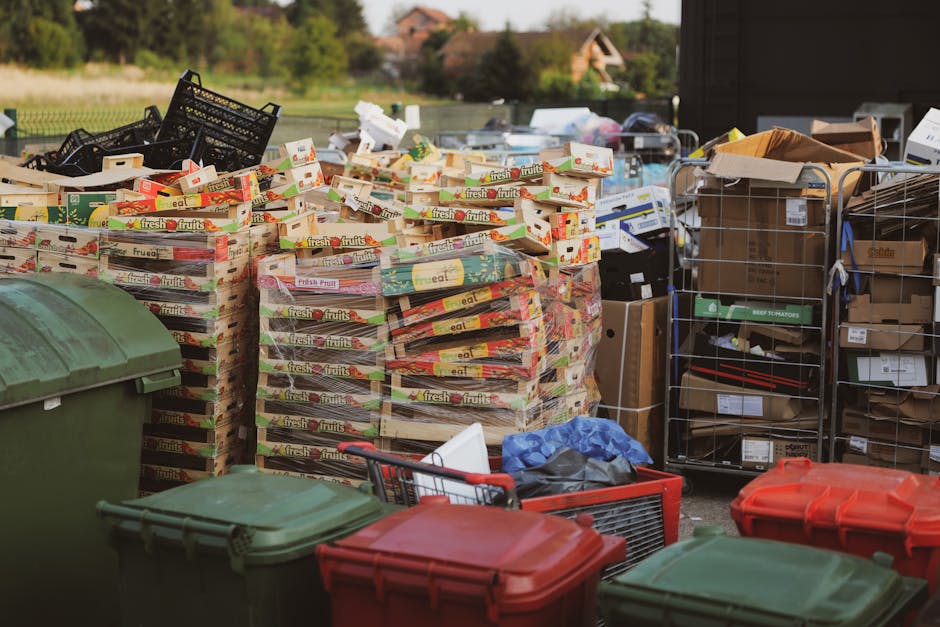
Bulk rubbish disposal is not just about getting rid of stuff. In a busy borough like Hackney, it affects pavement safety, fly-tipping, neighbour relations, recycling rates, and even how quickly your street feels back to normal after a move or renovation. A bulky item left out incorrectly can become an eyesore fast. One chair becomes two, then suddenly it looks like a mini skip has appeared outside the building.
The rules matter because bulky waste is not treated the same as everyday black-bag rubbish. Councils normally have specific expectations around size, item type, booking, presentation, and collection times. If you ignore those rules, you can end up with missed collections, wasted effort, or unwanted enforcement attention. That is not dramatic, just practical reality.
For households, landlords, flat sharers, and small businesses, the main value of knowing the rules is control. You can plan the job properly, choose the right method, and avoid overpaying for a rushed fix. You can also reduce the chances of items being dumped illegally by someone else after you have left them outside.
Expert takeaway: bulky waste is easiest to handle when you decide early whether you are dealing with one or two items, or a true clearance job. That single choice affects cost, timing, and the amount of hassle involved.
How Hackney Council rules for bulk rubbish disposal explained works
In plain terms, bulk rubbish disposal usually means arranging collection or drop-off for items that are too large for normal household bins. Think sofas, tables, mattresses, wardrobes, broken desks, large appliances, and similar items. The exact acceptance rules can vary, so it is always sensible to check the current council guidance before setting anything out. That part is boring, yes, but it saves headaches later.
Most council-style bulk collection systems work in a few broad steps:
- You identify the items and confirm they are eligible for bulky waste collection.
- You book a collection or arrange the disposal method that applies to your property.
- You present the items in the correct place, at the correct time, and in the correct condition.
- The items are collected, sorted, and taken for reuse, recycling, or disposal depending on what can be recovered.
That sounds straightforward. In real life, the snag is usually the detail. A mattress wrapped incorrectly, a sofa left in the wrong place, or a pile containing mixed materials can all create problems. Sometimes the issue is access too. A top-floor flat, a narrow stairwell, or a locked communal gate can turn a simple job into a bit of a faff.
If the job is bigger than a standard council collection, a more flexible clearance option may suit better. Services such as house clearance or home clearance can be more practical for multiple bulky items, full room clear-outs, or mixed waste that needs sorting carefully.
Key benefits and practical advantages
Understanding the rules gives you more than compliance. It gives you leverage. You know which route is cheapest, which is fastest, and which is least stressful. That matters when you are juggling a move, a refurbishment, or just trying to reclaim a spare room that has slowly become storage.
- Cleaner presentation: items are removed without cluttering pavements or communal areas.
- Lower risk of mistakes: you are less likely to place items out incorrectly.
- Better recycling outcomes: suitable items can often be separated more effectively.
- Less physical strain: you avoid lifting heavy furniture more than once.
- More predictable timing: you can plan around the collection or clearance window.
There is also a quiet but important benefit: peace of mind. Once bulky rubbish is handled properly, the rest of the space feels lighter. You notice it immediately, especially in small Hackney flats where every square foot matters.
For larger mixed clear-outs, it may also help to look at specialist support like furniture disposal or furniture clearance when the main issue is old sofas, beds, chairs, and cabinets rather than general waste.
Who this is for and when it makes sense
This topic is relevant to far more people than you might think. Bulk waste turns up in everyday life: after a tenancy ends, when a child moves out, after a bedroom refresh, after a garden project, or when an office replaces broken desks and chairs. A lot of people only deal with it once in a while, so it is easy to forget the basics.
It makes sense to pay attention to the rules if you are:
- a homeowner clearing a room or garage
- a tenant moving out of a flat
- a landlord preparing a property between tenancies
- a business replacing office furniture
- a tradesperson dealing with leftover building waste
- someone sorting a probate or sensitive estate clearance
Sometimes the right answer is a council route. Sometimes it is not. If you only have one bulky item and access is easy, the simpler option may do the job. If you have several items, awkward access, or mixed waste, a tailored clearance service may save time overall. That is especially true in flats and converted buildings where stair access is tight and neighbours are not exactly thrilled by furniture being dragged down the hall at 7:30 in the morning.
Step-by-step guidance
If you want to handle bulky rubbish cleanly and with minimal fuss, work through it methodically. No drama. Just do the steps in order.
1. Sort what you actually have
Make a quick list of each item. Separate furniture, appliances, bagged waste, and anything sharp or hazardous. A table, a mattress, and a box of broken lamps do not always travel the same route. The first mistake people make is treating everything as one pile.
2. Check whether the item is accepted
Some items may be excluded or require special handling. Hazardous materials, electrical items, and trade waste can follow different rules. If something is heavy, oily, damaged, or contains chemicals, pause and verify it before you move it again.
3. Decide on collection or removal method
Ask yourself one honest question: is this a single bulky collection, or is it really a clearance job? If it is a sofa and a cupboard, maybe council collection works. If it is a lounge full of old furniture, the loft, and a garage in the same week, you probably need more than one collection style.
4. Prepare the items properly
Break down anything that can be safely dismantled. Remove loose contents. Wrap or cover items if the rules require it. Keep access routes clear. A clear doorway sounds obvious, but you would be amazed how often it is overlooked.
5. Put the waste out at the right time and place
Follow the collection instructions exactly. That usually means leaving items in a designated spot, not blocking entrances, and not putting them out too early. Too early can attract scavenging or complaints. Too late can mean the collection is missed.
6. Keep records if needed
If you are a landlord, business owner, or managing agent, keep a record of what was removed and when. That helps with tenant changeovers, compliance, and general accountability. A simple note or photo can save a lot of awkwardness later.
Expert tips for better results
In our experience, the smoothest bulky waste jobs are the ones where someone spent five extra minutes thinking before lifting anything. That small pause changes everything.
- Measure first: check doorways, stair turns, lifts, and communal corridors before you commit to moving large furniture.
- Group similar items together: keep furniture separate from mixed waste so sorting is easier.
- Schedule around access: avoid rush hours, school run chaos, or times when neighbours are likely to object.
- Think about reuse: if an item is still usable, it may be better suited for resale, donation, or rehoming than disposal.
- Keep dry weather in mind: cardboard, fabric, and soft furnishings can become heavier and messier very quickly outside in the rain.
If you have bulky rubbish sitting in a loft, garage, or office corner, it can help to group it by location first. That makes the load faster to move and reduces the "where on earth did this come from?" feeling halfway through the job. A little organisation goes a long way.
For larger jobs, services like loft clearance, garage clearance, or office clearance can be more efficient than trying to manage everything as isolated bulky items.
Common mistakes to avoid
The biggest bulk waste problems are usually quite ordinary. Not exciting, just frustrating.
- Leaving items out too early: this can create street clutter and increase the risk of complaints.
- Mixing restricted waste with normal bulky items: one wrong item can spoil the whole load.
- Not checking access: narrow halls and flights of stairs can turn a quick job into a miserable one.
- Assuming all furniture is accepted: damaged items, stained items, or electrical fittings may need different handling.
- Forgetting about weight: a bulky item may not look heavy, then suddenly it is. Happens all the time.
- Using unofficial dumping: if someone offers a suspiciously cheap removal and no paperwork, that is a red flag.
A common one in Hackney flats is putting items in communal areas "just for a little while". Little while becomes all day. Then the building manager gets involved, and nobody enjoys that conversation.
Tools, resources and recommendations
You do not need a van full of specialist gear to dispose of bulky rubbish properly, but a few simple tools make life easier:
- a tape measure for doors, lifts, and stairwells
- strong gloves for handling rough edges
- basic dust sheets or wrapping for clean transport
- a torch for lofts, garages, and poorly lit storage areas
- labels or notes to separate keep, donate, and dispose piles
If you are dealing with a larger household or mixed waste job, a professional service may be the more efficient route. The relevant pages on waste removal and pricing and quotes can help you understand the kind of support available and what to ask before booking. If you want to know who is carrying out the work and how the business operates, the about us page is also a sensible place to start.
One quiet recommendation: take photos before you move anything. That helps if you need to compare quotes, confirm the amount of waste, or document the condition of a property after clearance. It is a small habit, but a useful one.
Law, compliance, standards, or best practice
Bulk rubbish disposal is tied to standard UK waste principles, even when you are only dealing with a sofa or a few broken cupboards. The key idea is simple: waste should be handled safely, transported properly, and passed to the correct route for reuse, recycling, or disposal. If you are disposing of waste commercially, or as part of a building or office job, the expectations are stricter and the paper trail matters more.
For residents, the important practical point is to follow the collection instructions precisely and avoid leaving items where they could obstruct public paths or entrances. For landlords and businesses, duty of care expectations are more serious. That means checking who is removing the waste, how it is being handled, and whether the disposal route is legitimate. Best practice is not about overcomplicating things; it is about avoiding preventable problems.
Health and safety also matters. Heavy lifting, sharp edges, mouldy soft furnishings, and dusty loft contents can cause injuries or make a property unpleasant to work in. If there is any doubt, reduce manual handling and plan the route before you start. A sensible job is usually the safest job.
If you are arranging contractor access or need reassurance around insured handling, the pages on insurance and safety and health and safety policy are useful supporting reads. For businesses with regular waste needs, business waste removal is often the better fit than one-off domestic-style collection.
Options, methods, or comparison table
There is no single best method for every bulky waste job. The right choice depends on volume, access, urgency, and what the items are made of.
| Option | Best for | Pros | Watch out for |
|---|---|---|---|
| Council bulky collection | One-off household bulky items | Simple for small jobs, often straightforward | Can be less flexible with timing or item types |
| Private bulky waste removal | Mixed items, awkward access, urgent clear-outs | Flexible, faster, suited to larger jobs | Costs vary by volume and loading time |
| DIY transport | Small items, access to a van, safe lifting ability | Full control, can be cost-effective for some jobs | Time, fuel, lifting risk, and disposal rules still apply |
To be fair, DIY removal only looks easy on paper. Once you factor in loading, parking, lifting, and disposal compliance, it can become a long afternoon. If you only have a mattress and a side table, fine. If you have half a flat, perhaps not.
For bigger mixed clearances, the most practical path may be a combination approach: some items for reuse, some for specialist furniture disposal, and the rest handled through a full property clearance service such as flat clearance or builders waste clearance where renovation debris is involved.
Case study or real-world example
A typical Hackney scenario goes like this. A tenant moves out of a two-bedroom flat after a long tenancy. There is a broken wardrobe in one room, a mattress in the hallway, two dining chairs, and a few bags of mixed household clutter left in the corner. At first glance, it looks like a simple bulky waste issue. Then you notice the staircase is tight, the building has shared access, and the landlord wants the flat back quickly.
In that kind of situation, the best solution is often not to treat every item as a separate task. First, the tenant or agent sorts what can be reused, recycled, or kept. Then the bulky pieces are grouped by type. If the access is awkward, a clearance team handles the move in one visit rather than risking missed collection slots or dragged furniture in a communal entrance. Everybody breathes easier. The stairs stay quiet, which, in a London block, is no small thing.
The lesson is simple: the cheapest option on day one is not always the cheapest option overall. Time, access, and risk matter too. That is especially true when a flat needs to be turned around quickly for cleaning, repairs, or new occupants.
Practical checklist
Use this before you book or put anything outside.
- List every bulky item clearly.
- Separate furniture, electrical items, and mixed waste.
- Check whether any item needs special handling.
- Measure doors, lifts, stairs, and access points.
- Decide whether the job is a single collection or a fuller clearance.
- Prepare items so they are easy to move and safe to handle.
- Keep pathways clear and avoid blocking shared areas.
- Confirm timing so items are not left out for too long.
- Take photos if you need a record for a landlord, tenant, or business file.
- Choose a legitimate disposal route that matches the type and amount of waste.
If you tick off those points, you are already ahead of most people. Really. The smooth jobs are usually the boringly organised ones.
Get a free quote today and see how much you can save.
Conclusion
Hackney Council rules for bulk rubbish disposal explained in plain terms come down to one idea: know what you have, follow the correct route, and avoid treating bulky waste like ordinary bin rubbish. That small bit of planning protects your time, your space, and your neighbours' patience.
For a one-off item, council-style collection may be enough. For multiple pieces, awkward access, or a full clear-out, a more flexible clearance service is often the calmer choice. Either way, the goal is the same: remove the clutter properly, safely, and without creating another problem on the pavement.
And once it is gone, the room feels bigger straight away. Quietly better. That is the nice part.
Frequently Asked Questions
What counts as bulk rubbish in Hackney?
Bulk rubbish usually means items too large for normal household bins, such as sofas, mattresses, wardrobes, tables, and other large household objects. The exact list can vary, so it is always wise to check what is currently accepted before you book or leave anything out.
Can I leave bulky items on the pavement before collection?
Only if the collection instructions say you should, and only in the correct place and at the correct time. Leaving bulky waste out too early can cause obstruction, complaints, or a missed collection. In shared buildings, that can get awkward very quickly.
Do I need to break furniture down before disposal?
Not always, but it often helps. Dismantling safe-to-break items can make them easier to carry, reduce access problems, and speed up collection. Just do not force anything dangerous apart. If it needs tools you do not have, leave it intact and ask for advice.
What if my bulky item is also broken or stained?
Condition can matter, especially for upholstered items, electrical goods, or anything with contamination. Some damaged items are still fine for disposal, but others may need special handling. If in doubt, ask before moving it twice.
Is council bulky waste collection cheaper than private removal?
Sometimes it is, especially for a very small number of items. But if you have several pieces, difficult access, or mixed waste, a private removal service may end up being better value because it saves time and avoids repeat handling.
What happens if I put the wrong waste out?
The collection may be refused, delayed, or left behind. In some cases, you could also create an issue for neighbours or the building manager. The safest approach is to sort items first and keep anything uncertain separate until you have checked.
Can businesses use the same approach as households?
Not always. Businesses often have different responsibilities, especially for regular waste, office furniture, or trade waste. Business waste should be handled through the correct route so records and disposal practices stay compliant.
What is the best option for a whole flat clear-out?
A whole flat usually calls for more than a single bulky collection. A tailored service such as flat clearance or home clearance is often more practical, especially where furniture, bagged items, and access issues all need to be managed together.
How should I handle bulky waste from a renovation?
Construction or refurbishment debris often needs a different approach from normal household rubbish. Plasterboard, timber, old fittings, and mixed building waste may be better suited to builders waste clearance rather than standard bulky collection.
What should I do if I'm not sure whether an item is allowed?
Keep it separate and ask before disposal. That is the safest habit. A quick check can prevent a failed collection or an unnecessary extra trip, and it usually saves money too.
Is it worth booking a private service for just one item?
It depends on access and urgency. If it is one easy item and you are not in a rush, a council route may be enough. If the item is very heavy, awkward, or hard to move safely, a private service may be worth it for the reduced strain alone.
Where can I find help if I need a bigger clearance?
If your situation is beyond a single bulky item, it may help to look at related services such as house clearance, furniture clearance, garage clearance, or garden clearance, depending on what needs removing. Choosing the right type of clearance is usually the difference between a rushed job and a smooth one.