Navigate Hard Rubbish: Key Steps to Dispose Correctly
Disposing of hard rubbish can be daunting, especially when it comes to understanding local regulations and ensuring environmental compliance. Proper disposal is crucial not only for maintaining aesthetics but also for protecting the environment. This guide aims to shed light on the correct steps to efficiently navigate the disposal of hard rubbish.
What is Hard Rubbish?
Hard rubbish, often referred to as bulky waste, includes items that are too large for standard waste collection. Common examples include household furniture, white goods like fridges and washing machines, electronic waste, and mattresses. Due to their size and material composition, these items require special disposal methods.
Importance of Proper Disposal
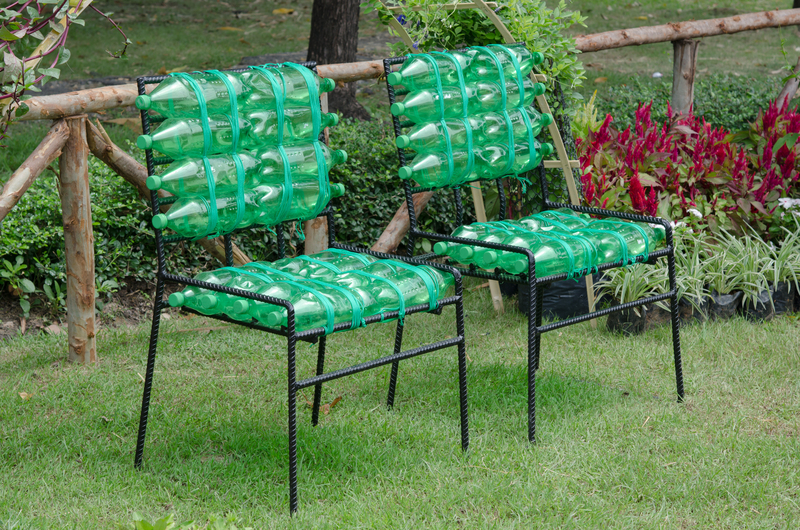
Improper disposal of hard waste can lead to significant environmental issues. Landfills are not equipped to handle hazardous materials often found in electronics and appliances, leading to potential soil and water contamination. Moreover, many materials can be recycled or reused, which helps reduce the environmental footprint. Therefore, it's imperative to dispose of hard rubbish correctly.
Key Steps to Dispose of Hard Rubbish Correctly
1. Understand Local Regulations
Each locality has its own rules regarding the disposal of bulky waste. Contact your city council or local waste management authorities to familiarize yourself with these regulations. Many provide once or twice-yearly curbside pick-ups for hard waste, saving residents the hassle of transporting large items themselves.
2. Sort and Identify Recyclables
Before discarding any item, check if any parts can be recycled. Items like metals, plastics, and certain electronic components can often be processed and reused. Responsible sorting not only aids recycling efforts but can also save you from potential fines associated with incorrectly disposed items.
3. Consider the Circular Economy
Embrace the idea of a circular economy by giving your unwanted items a new life. Donate working items to charities or sell them through second-hand markets. This approach reduces waste and supports those in need.
4. Use Designated Hard Waste Collection Services
- Council Collections: Sign up for council-organized hard waste collection services. These services often offer designated dates for curbside pick-up.
- Private Waste Companies: For items that cannot wait for scheduled council collections, engage with private companies specializing in hard waste disposal.
5. Proper Disposal of E-Waste
E-waste requires special attention due to its composition of hazardous chemicals and valuable metals. Many companies and councils offer specific e-waste drop-off points, ensuring electronic items are handled correctly.
FAQs on Hard Rubbish Disposal
What are the consequences of incorrect disposal?
Incorrect disposal can lead to environmental damage, attract fines, and result in wasted opportunities for recycling. Moreover, illegal dumping can mar the beauty of public spaces.
Can every item of hard rubbish be recycled?
While many components of hard rubbish are recyclable, it depends on the material and condition. Always consult with recycling facilities to determine the feasibility of recycling specific items.
What should I do with hazardous materials?
Never dispose of hazardous materials with other waste. Specific drop-off days or locations are often provided by councils for items like chemicals, batteries, and certain types of e-waste.

The Role of Community in Hard Rubbish Disposal
Community involvement plays a pivotal role in the success of hard rubbish disposal efforts. Engage with local groups to share pick-up schedules, best practices, and resources. Coordinated community efforts may also attract more robust services from councils.
Educate and Collaborate
Raising awareness through schools, community centers, and local organizations can enhance knowledge on correct disposal methods and the environmental impacts of waste. Collaboration can lead to shared resources and collective actions, fostering a culture of sustainability.
Conclusion
Navigating the complexities of hard rubbish disposal is a collective responsibility that requires informed decision-making and proactive community engagement. By understanding regulations, prioritizing recycling, and leveraging local resources, individuals can significantly impact environmental health and community well-being. Let's be responsible, reduce waste, and ensure our hard rubbish is disposed of correctly and effectively.